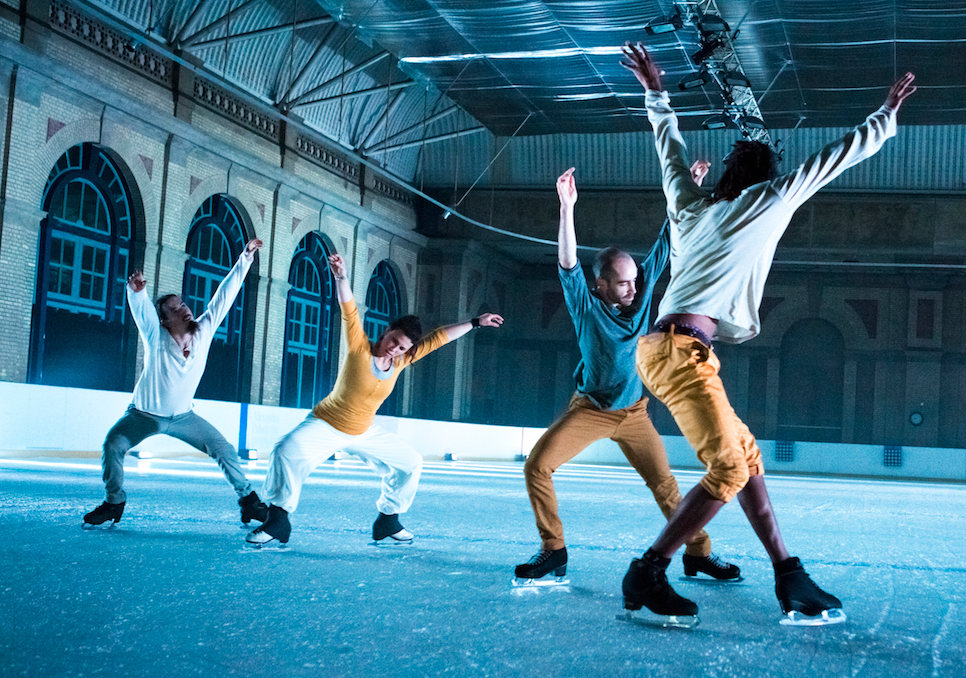
Alexandre Hamel established the world’s first contemporary ice-skating collective, Montreal-based Le Patin Libre, in 2005. Attracting rebel skaters that turn their back on the world of figure skating or more conventional opportunities for skate performance, Le Patin Libre seeks to reinvent what is possible on ice.
Using the skates to create brand new movements which are explained as “grounded flight”, the gliding motion as well as the sound of the skates opens new possibilities for movement and dance. But can Le Patin Libre be described as a dance company? It is Hamel’s view that:
“Branding it as contemporary dance is bad for marketing. Contemporary dance is often seen as elitist, boring […] for snobs by a very large section of the public.”
This is a company that defies traditional categories. Conventions do not dictate Le Patin Libre, who have established and fostered their own audiences and styles of movements. They explain their work as contemporary skating. The sound of the ice, the feel of the ice, the setting of performance as well as the different capacity that skating provides the company, are all captured in their work.
Alexandre’s passion for his work and company is incredible and is captured throughout the interview. His advice for young dancers is: “get out of universities, just dance.” This is an artistic leader that has passion to pursue his own path and make his own rules. A rebel with a cause!
Our conversation covered everything from gender and ice skating, adrenalin, aspects of glide, engaging audiences, what is next and what it has taken to get the company off the ground and out into the world. Apologies for the potential mispronunciation of Le Patin Libre, French is not my strong point :)
You can follow Hamel on twitter @Alexandre_Hamel and the company @lepatinlibre. Like on Facebook. Watch some of there amazing work for yourself, join their newsletter and check out Le Patin Libre website.
This is the last episode of season one. What started as a pilot has actually gone pretty crazy, with the previous episodes reaching thousands of people. Planning for season two has already commenced, where I will be investing more money to improve the quality of the recordings and make a few other changes. Until then stay tuned on twitter and revisit all the other episodes with: Gideon Obarzanek, Deborah Jowitt, Michael J Morris, Rafael Bonachela and Stephanie Lake.
Photo credit: Alicia Clarke for Dance Umbrella.

‘We value everyone equally, but you know, of course each person has a role to play in the team that's been created, but no one is, you know, less valuable than another.’

‘My daughter Billie, she was in rehearsal today. My son Archie grew up the first two or three years of his life, like, on tour with me when I was with Bangarra Dance Theatre and just being in the artistic environment and being surrounded by people is such a beautiful gift, I think, that I can give to them as well.’
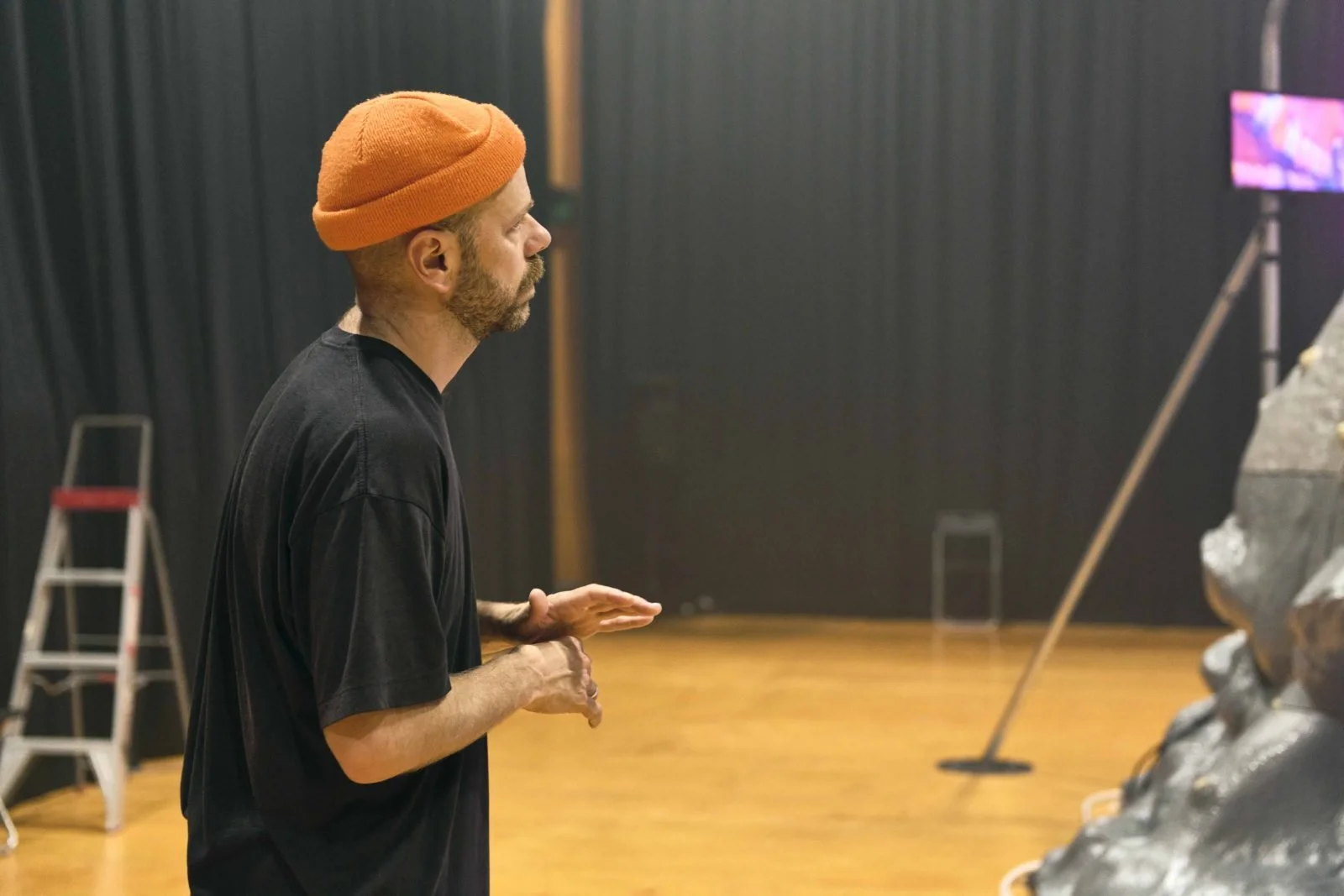
‘When I'm making dance and when I think about choreography or art, I often relate my early childhood experiences to the things that I make now as well.’

‘I guess for a lot of people, ballet is still very much an evolving, developing language. I think people think it was probably stuck in a time and hasn't progressed. But modern ballet is very challenging and arresting and it's finding new ways of working with an old structure.’



‘In my hibernation my creativity turned to writing. I spent hours happily at my computer with my writing, which sometimes feels like choreography. The results of these writing hours are some rough chapters recounting special experiences of my life, and in particular, my life here at Mirramu.’
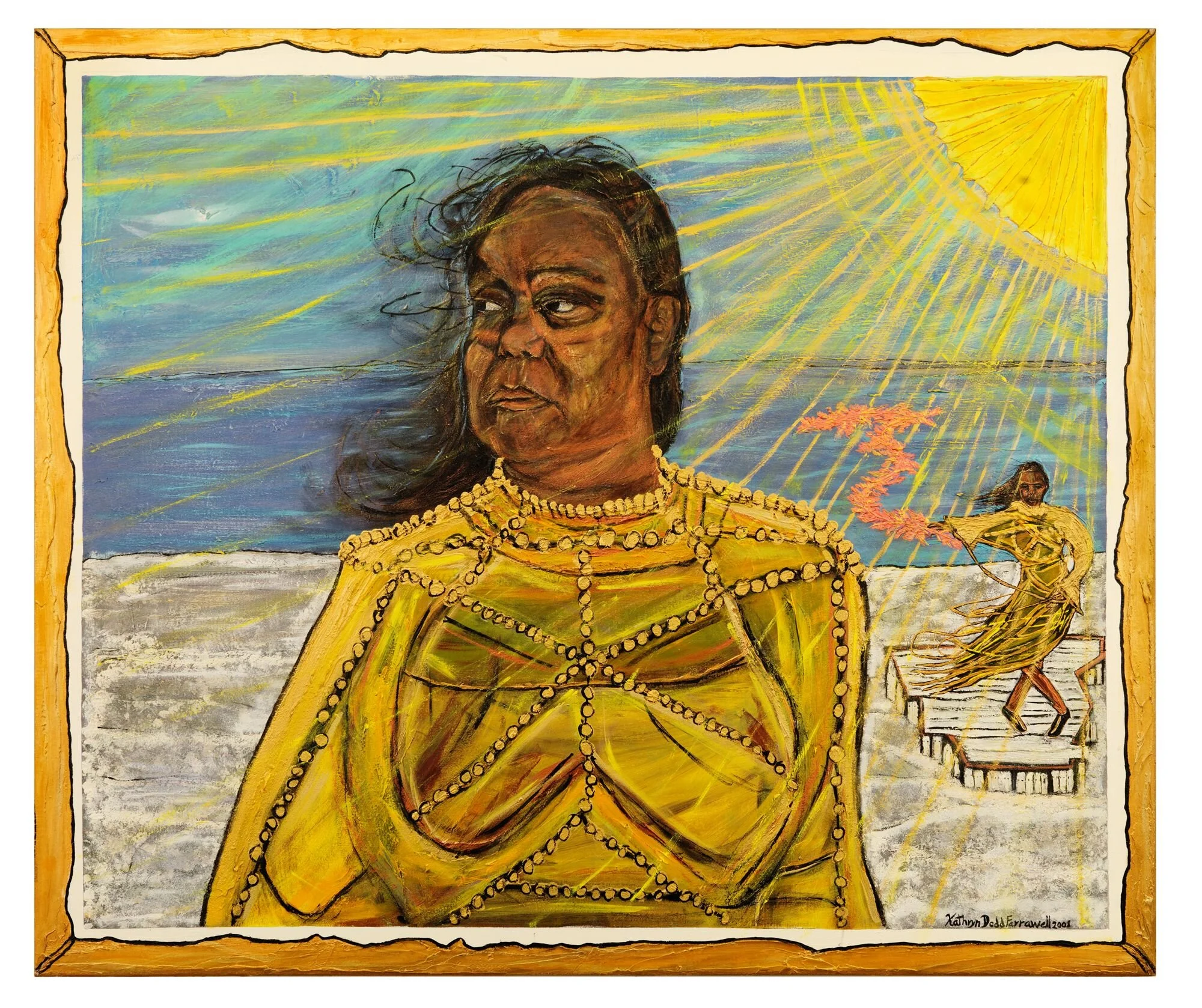
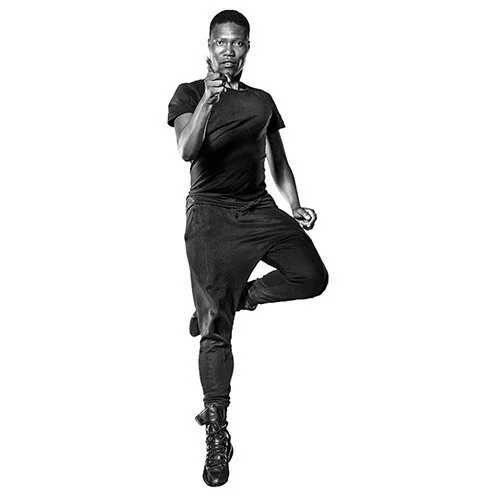
‘So I've been refusing the temptation to put work on online to put work on platforms where they eliminate that very core function of connecting people’

Edna Reinhardt, a passionate creative dance and yoga educator with decades of experience in the field.
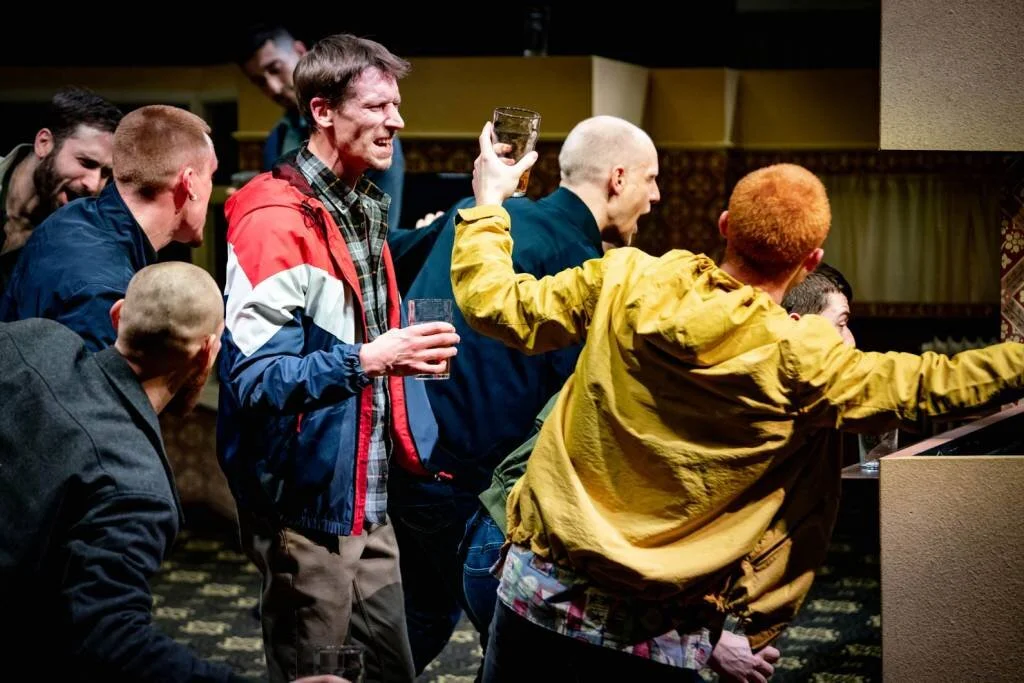
I used to say for a long time that I thought the dance was the Prozac of the art forms. […] there is an aesthetic that dominates our work, often complex or ugly or difficult issues are glossed over because people are pointing their feet and look very lovely.
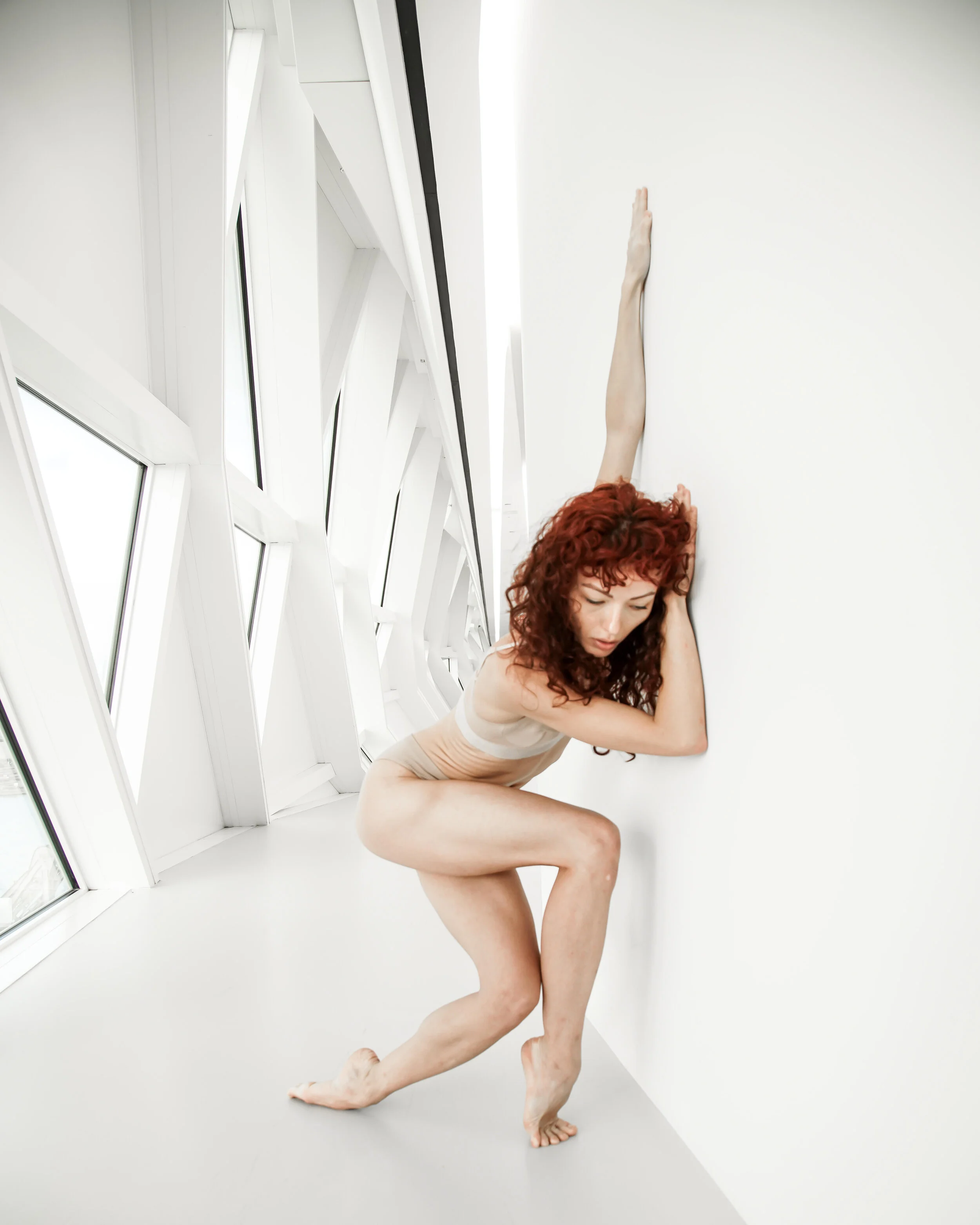
I'm really looking forward to finding more lightness and more joy and looking forward to exploring some of my ideas.

I think now I am really sort of hungry to do more things that are really outside of my preconceived box of what I can do or what kind of dancer, I identify as or think of myself as.

“What I love about the dance world is that it has the possibility of bringing together so many different cultures, so many different people, beliefs, ways of thinking, ways of being in a space … we always find a common ground and a way to exist and support one another and to create something really beautiful”

"[Dance] It gave me an outlet and a way to express myself, and to be in a space where I could see myself represented."
“Dance, it has a tribal background, everyone does dance, initially, as kids, and we will do it socially. So I think there's a very powerful message there that can be utilised by choreographers when they're creating their works.”


“Dance can provide a space for people to have a kinesthetic response to something and to be given a place to meet their body in watching another body move.”

"I really loved the freedom of expression, and just realising that... I don't need to use my mouth if I wanna tell a story."

“some of the best advice that I ever got, as a young student, was make the dance that you want to watch”