
Rafael Bonachela moved to Australia in 2009 to be the Artistic Director at Sydney Dance Company. He followed Graeme Murphy, who had been at the helm for decades, and took up the role after the tragic death of Tanja Liedtke, who was named as Murphy’s successor. Since his appointment, Rafael has brought the works of a diverse range of leading choreographers to Australia including Alexander Ekman, Adam Linder, William Forsythe, Jacopo Godani and Kenneth Kvarnstrom. While programing the works of Australian choreographers including Larissa McGowan, Stephanie Lake and Gideon Obarzanek.
Rafael works with a range of collaborators including with Toni Maticevski, Sarah Blasko, Nick Wales and Katie Noonan. His works includeg 360° C (2008), We Unfold (2009), 6 Breaths (2010), Shared Frequencies (2011), 2 One Another (2012), Les Illuminations (2013), and Lux Tenebris (2016).
Rafael has helped instigate a Pre-Professional Year for early-career dancers, as well as focusing on school students to help to develop the next generation of contemporary dance audiences.
Before moving to Sydney he ran his own company, the Bonachela Dance Company. Rafael danced for the Rambert Dance Company in 1992, where he developed a strong interest in choreography. This work lead to him choreographing for Kylie Minogue, on the Fever and Showgirl tours.
In this conversation we discussed Kylie, dance, leadership, inspiration and arts funding.
More information on Sydney Dance Company can be found at www.sydneydancecompany.com Rafael is his own social media celebrity and can be found on Twitter and Instagram.
Stay tuned for upcoming episodes including interviews with Gideon Obarzanek and Alexandre Hamel from Le Patin Libre.
Photo credit: Mariano Vivanco
THIS INTERVIEW HAS NOW BEEN TRANSCRIBED WITH FUNDS FROM GENEROUS CONTRIBUTIONS FROM LISTENERS. IT CAN BE ACCESSED HERE.

‘We value everyone equally, but you know, of course each person has a role to play in the team that's been created, but no one is, you know, less valuable than another.’

‘My daughter Billie, she was in rehearsal today. My son Archie grew up the first two or three years of his life, like, on tour with me when I was with Bangarra Dance Theatre and just being in the artistic environment and being surrounded by people is such a beautiful gift, I think, that I can give to them as well.’
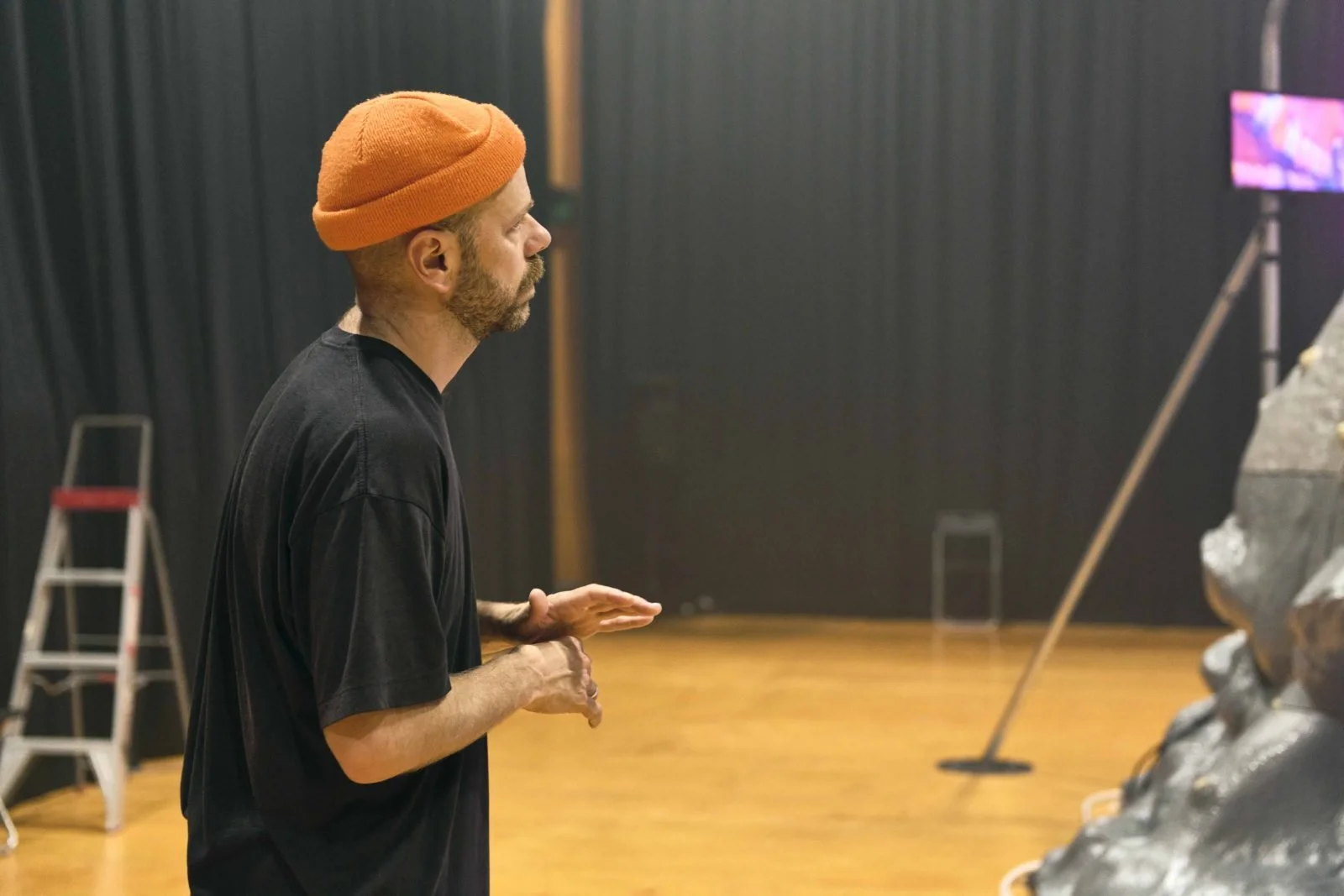
‘When I'm making dance and when I think about choreography or art, I often relate my early childhood experiences to the things that I make now as well.’

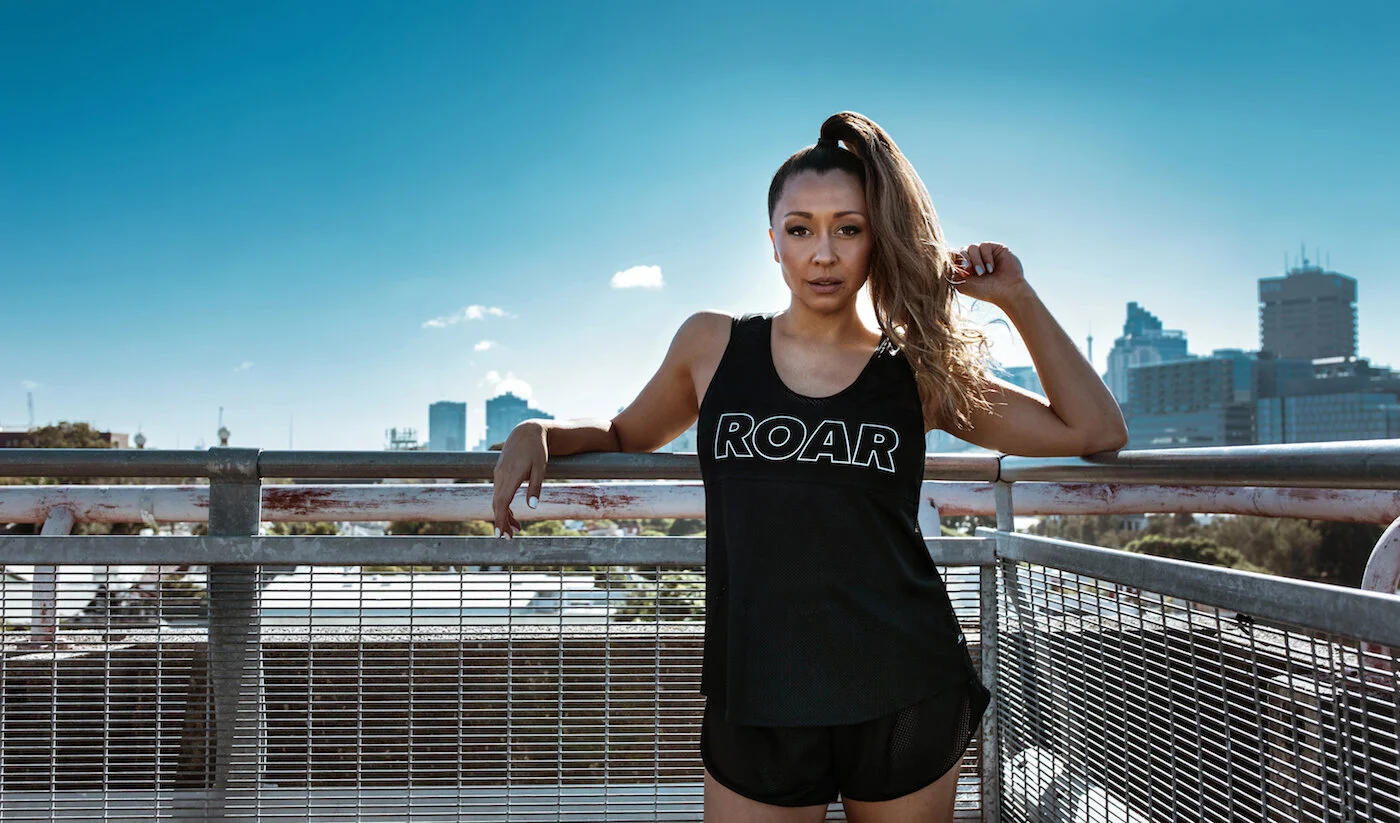
‘I guess for a lot of people, ballet is still very much an evolving, developing language. I think people think it was probably stuck in a time and hasn't progressed. But modern ballet is very challenging and arresting and it's finding new ways of working with an old structure.’


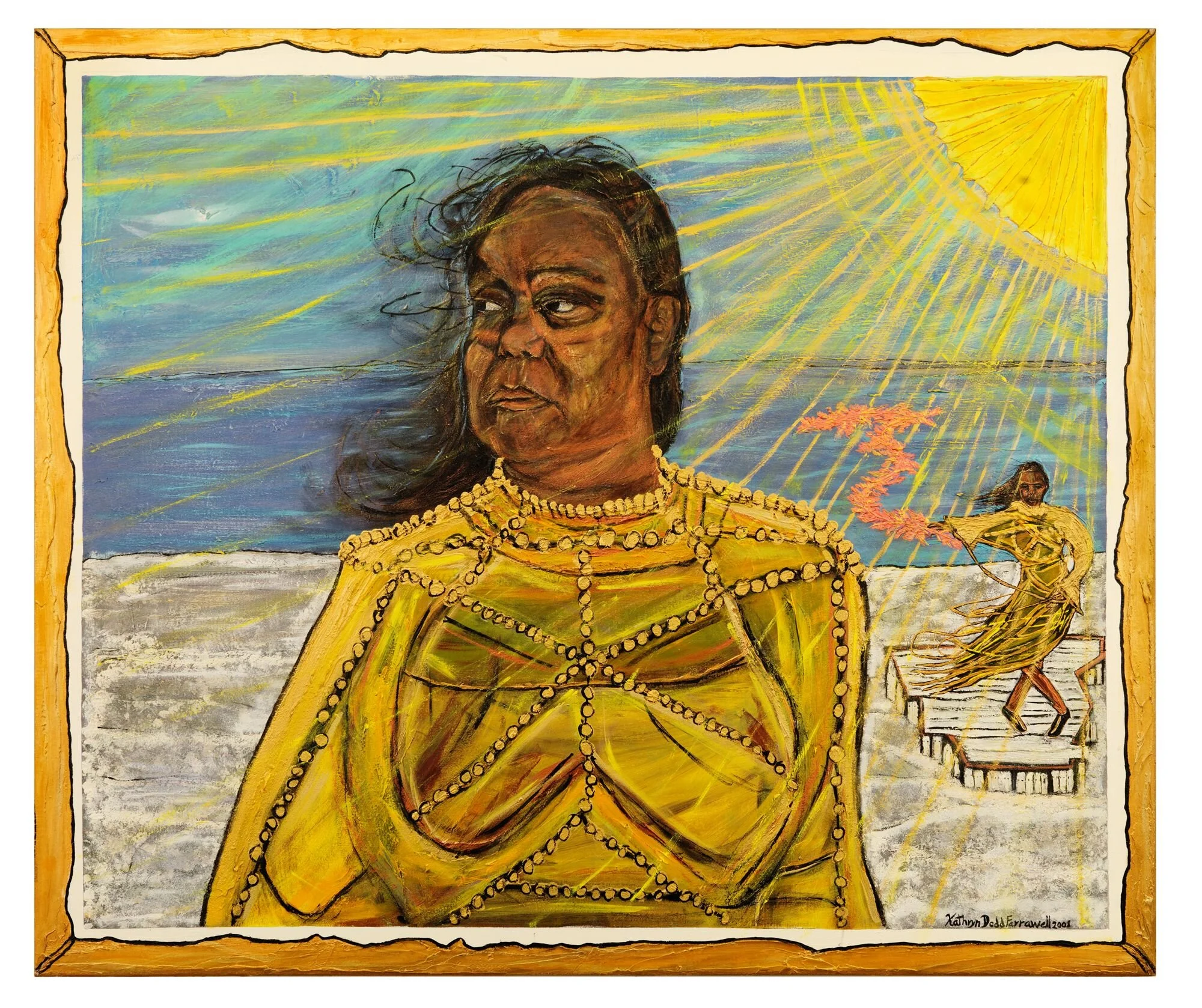
‘In my hibernation my creativity turned to writing. I spent hours happily at my computer with my writing, which sometimes feels like choreography. The results of these writing hours are some rough chapters recounting special experiences of my life, and in particular, my life here at Mirramu.’
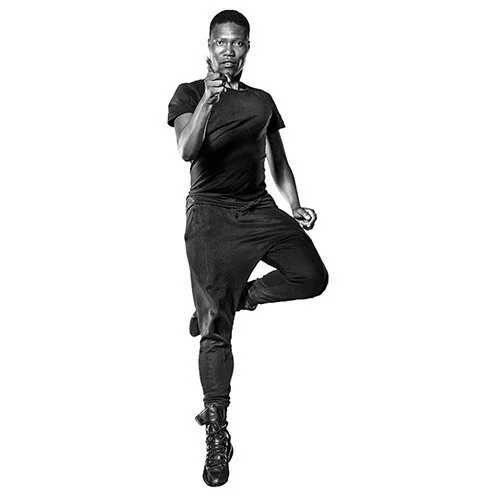
‘So I've been refusing the temptation to put work on online to put work on platforms where they eliminate that very core function of connecting people’

Edna Reinhardt, a passionate creative dance and yoga educator with decades of experience in the field.
I used to say for a long time that I thought the dance was the Prozac of the art forms. […] there is an aesthetic that dominates our work, often complex or ugly or difficult issues are glossed over because people are pointing their feet and look very lovely.
I'm really looking forward to finding more lightness and more joy and looking forward to exploring some of my ideas.

I think now I am really sort of hungry to do more things that are really outside of my preconceived box of what I can do or what kind of dancer, I identify as or think of myself as.

“What I love about the dance world is that it has the possibility of bringing together so many different cultures, so many different people, beliefs, ways of thinking, ways of being in a space … we always find a common ground and a way to exist and support one another and to create something really beautiful”

"[Dance] It gave me an outlet and a way to express myself, and to be in a space where I could see myself represented."
“Dance, it has a tribal background, everyone does dance, initially, as kids, and we will do it socially. So I think there's a very powerful message there that can be utilised by choreographers when they're creating their works.”
